
milk cream-201270809139

Milk Cream: Nature’s Rich and Versatile Dairy Delight
milk cream-201270809139
Milk cream, often simply called cream, is one of the richest and most cherished products derived from milk. Known for its smooth texture, high fat content, and delicate flavor, milk cream has been used for centuries in cooking, baking, and traditional remedies across cultures. From enhancing savory dishes to creating luxurious desserts, cream plays an essential role in both home kitchens and professional culinary settings.
What Is Milk Cream?
Milk cream is the fatty layer that rises to the top of fresh milk when it is left undisturbed. This happens because fat is lighter than water, causing it to separate naturally. Traditionally, cream was skimmed by hand from milk, but modern dairy processing uses centrifugal separators to extract cream efficiently and hygienically.
The fat content of milk cream can vary depending on its type and intended use. This fat is what gives cream its signature richness, silky mouthfeel, and ability to improve flavor and texture in food.
Types of Milk Cream
Milk cream is available in several forms, each with different fat percentages and culinary uses:
-
Fresh Cream (Light Cream): Contains a lower fat percentage and is commonly used in coffee, soups, and sauces.
-
Whipping Cream: Has a higher fat content, allowing it to be whipped into soft or stiff peaks for desserts.
-
Heavy Cream (Double Cream): Very rich and thick, ideal for baking, ganache, and luxurious sauces.
-
Clotted Cream: A traditional thick cream, especially popular in the UK, known for its dense texture and slightly caramelized flavor.
Each type serves a unique purpose, making cream an incredibly versatile dairy product.
Nutritional Value
it is high in calories and fat, particularly saturated fat. It also contains fat-soluble vitamins such as vitamin A, D, E, and K, which are essential for vision, immune health, and bone strength. However, due to its high fat content, cream is best consumed in moderation, especially for individuals managing cholesterol or weight.
Despite this, cream can be part of a balanced diet when used thoughtfully, as it enhances satiety and adds depth of flavor, often allowing smaller portions to feel more satisfying.
Culinary Uses of Milk Cream
it is prized in cuisines worldwide for its ability to transform dishes. In savory cooking, it adds richness to soups, curries, pasta sauces, and gravies. Cream helps balance spices, reduce acidity, and create a smooth, cohesive texture.
In baking and desserts, cream is indispensable. It is used in cakes, custards, ice creams, mousses, and pastries. Whipped cream, in particular, is a popular topping for fruits, pies, and hot beverages.
Beyond cooking, cream is also used in butter-making. When cream is churned, the fat separates from the liquid (buttermilk), forming butter.
Milk Cream in Beauty and Tradition
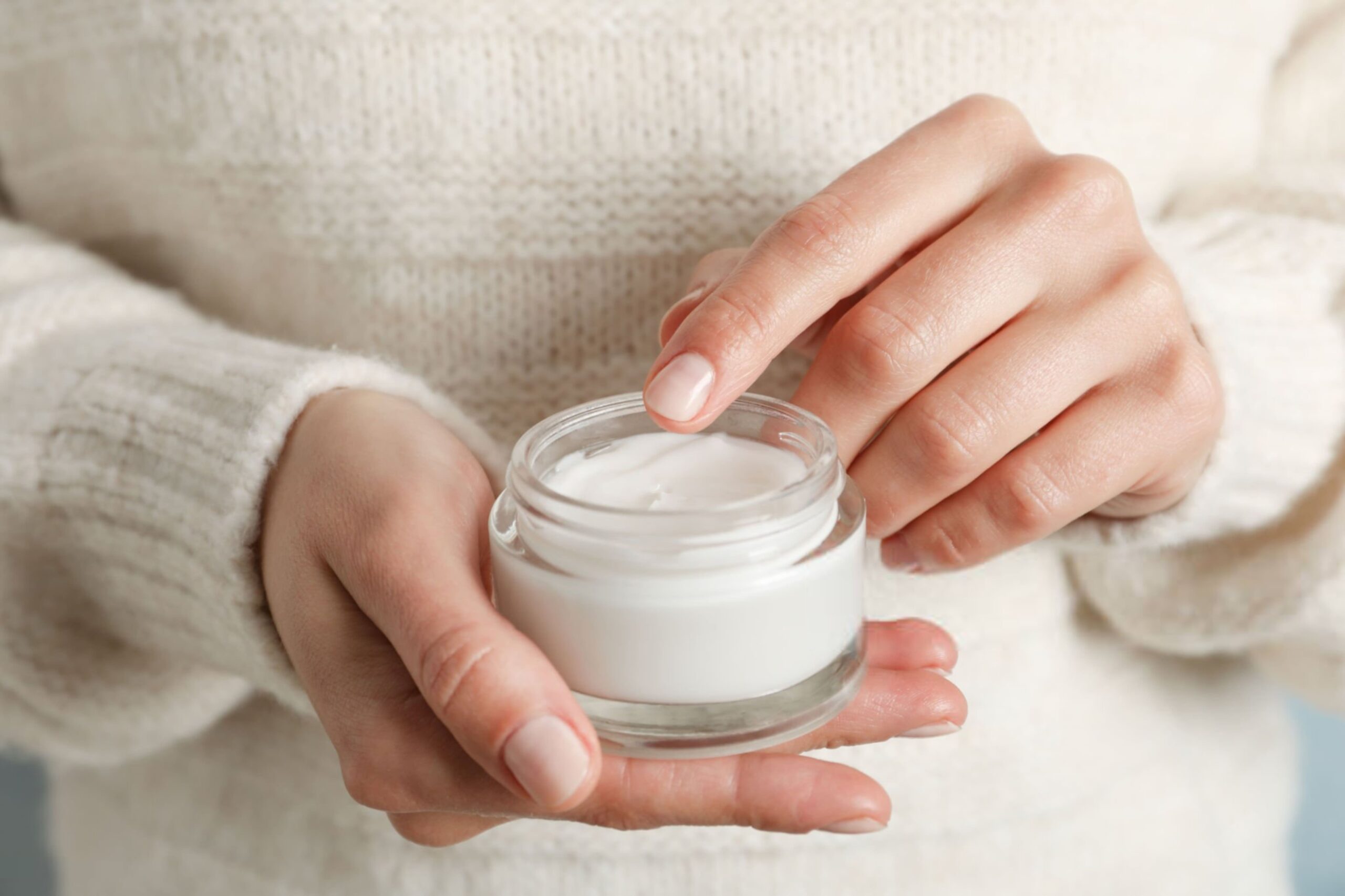
Historically, it has also been valued for skincare. In many cultures, it has been used as a natural moisturizer to soften skin and improve dryness due to its fat and lactic acid content. While modern cosmetics have largely replaced these traditional practices, the idea of dairy-based skincare remains popular in natural beauty discussions.
Storage and Shelf Life
it should always be stored in the refrigerator and kept tightly sealed. Fresh cream has a relatively short shelf life and should be consumed before its expiration date. Signs of spoilage include sour smell, curdling, or mold growth. Freezing cream is possible, but it may alter the texture, making it more suitable for cooking rather than whipping after thawing.
Common Questions About Milk Cream
1. Is milk cream the same as milk?
No. Milk cream is the fat portion of milk, while milk contains water, proteins, lactose, and a smaller amount of fat.
2. Can it be whipped?
Only creams with high fat content, such as whipping cream or heavy cream, can be whipped successfully.
3. Is it healthy?
Milk cream provides essential vitamins but is high in fat and calories, so it should be consumed in moderation.
4. Can it be used as a substitute for milk?
Cream can be diluted with water to replace milk in some recipes, but it is richer and thicker than milk.
5. How can I tell if it has gone bad?
A sour smell, unusual texture, or visible mold are clear signs that cream should not be consumed.