
scarlet rose mallow-201270809139

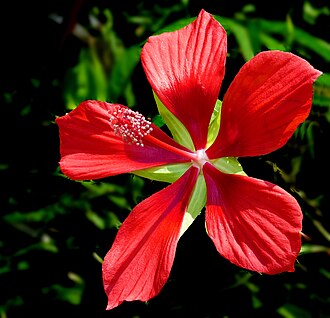
Scarlet Rose Mallow as a Cosmetic Ingredient
Scarlet Rose Mallow (Hibiscus coccineus) is widely admired for its brilliant crimson flowers and ornamental beauty, but beyond its landscape value, it also holds promising potential in the world of cosmetics and natural skincare. As consumers increasingly seek plant-based, sustainable, and gentle ingredients, botanical extracts like Scarlet Rose Mallow are gaining attention for their skin-enhancing properties.
Although more commonly associated with ornamental gardening, Scarlet Rose Mallow belongs to the hibiscus family (Malvaceae), a group known for its beneficial compounds used in beauty and wellness traditions for centuries. Related hibiscus species have long been incorporated into herbal remedies, hair treatments, and skin preparations, and Scarlet Rose Mallow shares many of these botanical characteristics.
Key Bioactive Compounds
Scarlet Rose Mallow contains a variety of natural compounds that may contribute to its cosmetic value:
-
Anthocyanins: These pigments give the flower its deep red color and act as powerful antioxidants. Antioxidants help protect the skin from environmental stressors such as pollution and UV-induced free radicals.
-
Flavonoids: Known for their soothing and anti-inflammatory properties, flavonoids can help calm irritated or sensitive skin.
-
Mucilage: A gel-like substance found in many mallow species, mucilage has excellent hydrating and softening qualities. It forms a light protective layer on the skin, reducing moisture loss.
-
Organic acids: Mild natural acids may promote gentle exfoliation and support smoother-looking skin.
These compounds make Scarlet Rose Mallow extract a promising ingredient for skincare formulations focused on hydration, anti-aging, and skin radiance.
Benefits for Skin Care
1. Hydration and Moisture Retention
The mucilage content in Scarlet Rose Mallow helps lock in moisture, making it suitable for dry or dehydrated skin types. It can enhance the skin’s barrier function and leave the skin feeling soft and supple.
2. Anti-Aging Support
The antioxidant-rich profile may help reduce the appearance of fine lines and wrinkles by neutralizing free radicals that contribute to premature aging. Regular use in serums or creams could support firmer, healthier-looking skin.
3. Gentle Exfoliation
Natural acids present in hibiscus species are sometimes referred to as “plant-based AHAs.” They can assist in mild exfoliation, improving skin texture and brightness without harsh irritation.
4. Soothing Properties
For sensitive or inflamed skin, botanical extracts with flavonoids may provide calming benefits, reducing redness and discomfort.
Applications in Cosmetic Products
Scarlet Rose Mallow extract can be incorporated into a variety of cosmetic and personal care products, including:
-
Facial serums
-
Moisturizing creams
-
Anti-aging lotions
-
Hydrating masks
-
Herbal toners
-
Natural soaps
-
Hair conditioners
In hair care, the conditioning properties may help improve softness and manageability. Antioxidants can also support scalp health by protecting against environmental damage.
Natural and Sustainable Appeal
One of the strongest selling points of Scarlet Rose Mallow in cosmetics is its natural origin. As demand grows for clean beauty and eco-conscious formulations, botanical ingredients sourced responsibly from sustainable cultivation practices are highly valued. Scarlet Rose Mallow, being a hardy perennial plant, can be cultivated with relatively low environmental impact, particularly in suitable climates.
Its vibrant red petals can also provide natural coloring to cosmetic products, aligning with the trend toward replacing synthetic dyes with plant-based alternatives.
Safety and Considerations
As with any botanical ingredient, proper extraction, formulation, and dermatological testing are essential before commercial use. While hibiscus-related extracts are generally considered safe for topical application, individuals with plant allergies should perform a patch test before using products containing Scarlet Rose Mallow extract.
Cosmetic manufacturers must also ensure compliance with regional cosmetic regulations and ingredient safety standards.
Future Potential in Beauty Industry
While Scarlet Rose Mallow is not yet as widely commercialized as some other hibiscus species, ongoing interest in botanical innovation may expand its role in skincare research. Its antioxidant richness, hydrating mucilage, and natural vibrancy position it as a promising addition to plant-based cosmetic formulations.
As the beauty industry continues shifting toward sustainable, multifunctional ingredients, Scarlet Rose Mallow may emerge as both a visually appealing and performance-driven botanical asset.
FAQ
1. Is Scarlet Rose Mallow safe for skin?
When properly processed and formulated, it is generally considered safe for topical use. A patch test is recommended before full application.
2. What skin types benefit most from it?
Dry, sensitive, and mature skin types may benefit most due to its hydrating and antioxidant properties.
3. Does it help with anti-aging?
Its antioxidants may help reduce visible signs of aging by protecting the skin from environmental damage.
4. Can it be used in hair care products?
Yes, its conditioning and antioxidant properties may support hair softness and scalp health.
5. Is it a natural cosmetic ingredient?
Yes, it is plant-derived and aligns well with clean beauty and natural skincare trends.