collagen-201270809139

Collagen and Skin Care: The Foundation of Healthy, Youthful Skin
collagen-201270809139
it is one of the most talked-about ingredients in modern skin care, and for good reason. It plays a critical role in maintaining skin strength, elasticity, and overall appearance. As we age, its production naturally declines, leading to visible signs of aging such as wrinkles, sagging, and dryness. Understanding what it is, how it works, and how to support it can help you make better skin care choices and maintain healthier skin for longer.
What Is it ?
it is the most abundant protein in the human body, making up about 75% of the skin’s structure. It acts as a scaffold that gives skin its firmness and smooth texture. Along with elastin and hyaluronic acid, it helps skin stay plump, resilient, and hydrated. When collagen levels are high, skin appears youthful and strong. When they decrease, the skin becomes thinner and more prone to damage.
Why Collagen Declines
its production begins to slow down in our mid-20s and continues to decrease with age. Several factors accelerate this process, including excessive sun exposure, smoking, pollution, poor nutrition, stress, and lack of sleep. Ultraviolet (UV) rays are especially harmful because they break down collagen fibers, leading to premature aging known as photoaging. Over time, these factors weaken the skin’s structure and reduce its ability to repair itself.
Collagen and Skin Aging
As its levels drop, fine lines and wrinkles start to appear, particularly around the eyes and mouth. Skin may lose elasticity, resulting in sagging and a less defined facial contour. Dryness can also increase, as it helps retain moisture in the skin. These changes are natural, but proper skin care and lifestyle choices can significantly slow the process and improve skin appearance.
Topical Collagen in Skin Care
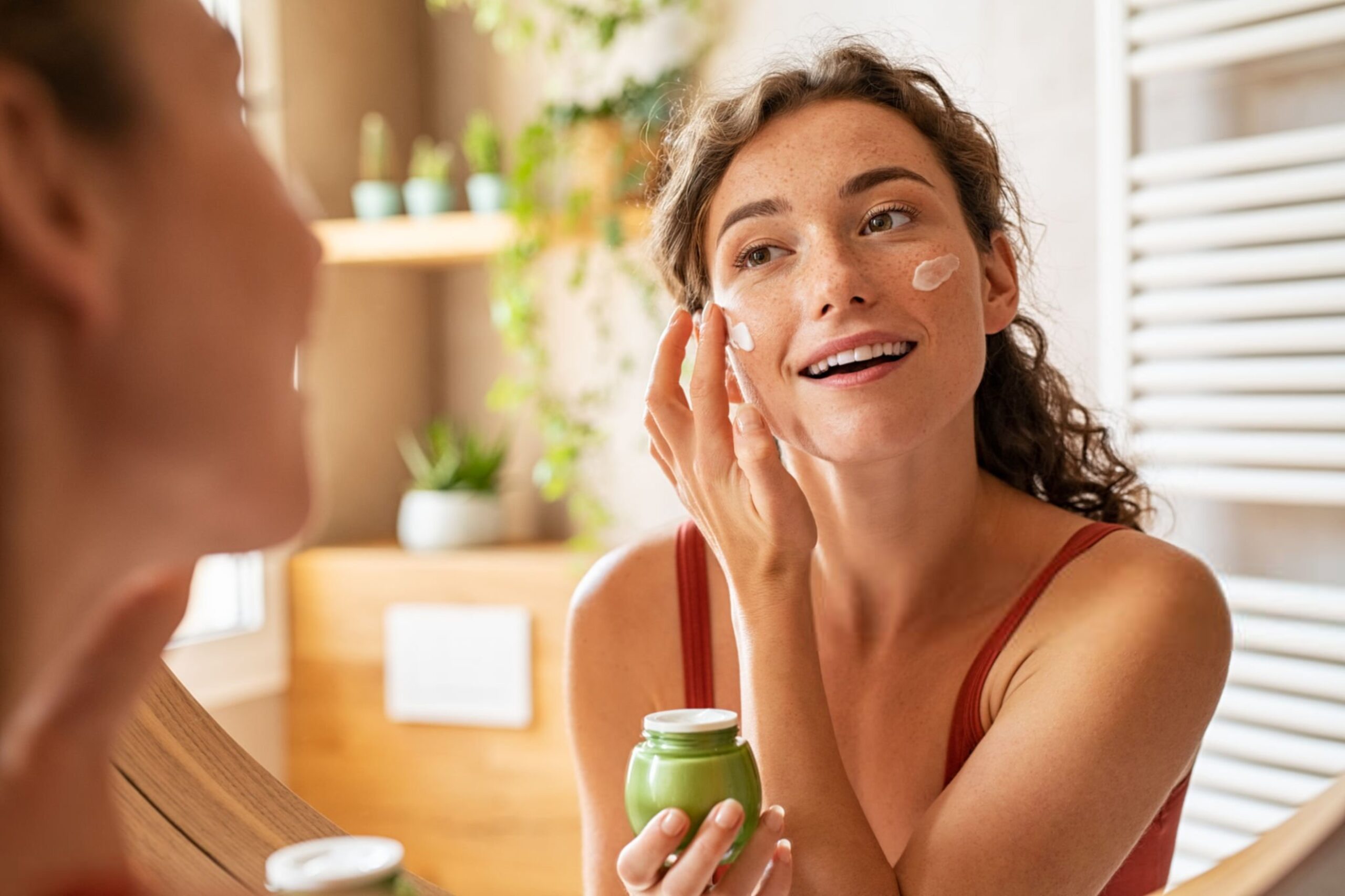
Many skin care products contain it, including creams, serums, and masks. While topical collagen cannot penetrate deeply enough to directly replace lost it, it still offers benefits. It acts as a powerful moisturizer, forming a protective layer on the skin that helps reduce water loss and improve smoothness. This can temporarily plump the skin and reduce the appearance of fine lines, making the skin look healthier and more radiant.
Boosting Collagen Production Naturally
Instead of relying only on topical collagen, focusing on stimulating your skin’s own collagen production is key. Ingredients like vitamin C, retinol, peptides, and niacinamide are proven to support it synthesis. Vitamin C, in particular, is essential for collagen formation and also protects the skin from free radical damage. Retinol encourages cell turnover and helps rebuild it over time, making it one of the most effective anti-aging ingredients.
The Role of Diet and Supplements
its production is also influenced by nutrition. A balanced diet rich in protein, vitamin C, zinc, and antioxidants supports healthy skin from within. Foods such as citrus fruits, berries, leafy greens, bone broth, fish, eggs, and nuts can help promote collagen synthesis. it supplements have gained popularity, and while results vary, some studies suggest they may improve skin elasticity and hydration when taken consistently.
Sun Protection and Lifestyle Habits
No collagen-focused skin care routine is complete without sun protection. Daily use of broad-spectrum sunscreen is one of the most effective ways to prevent collagen breakdown. In addition, avoiding smoking, managing stress, staying hydrated, and getting enough sleep all contribute to maintaining healthy levels.
Conclusion
it is the backbone of youthful, healthy skin. While its decline is inevitable, the way we care for our skin can make a significant difference. By combining effective skin care ingredients, proper sun protection, good nutrition, and healthy lifestyle habits, it is possible to support its production and maintain smoother, firmer, and more radiant skin at any age.