raspberry leaf tea-201270809139

Raspberry Leaf Tea: Benefits, Uses, and What You Should Know
raspberry leaf tea-201270809139
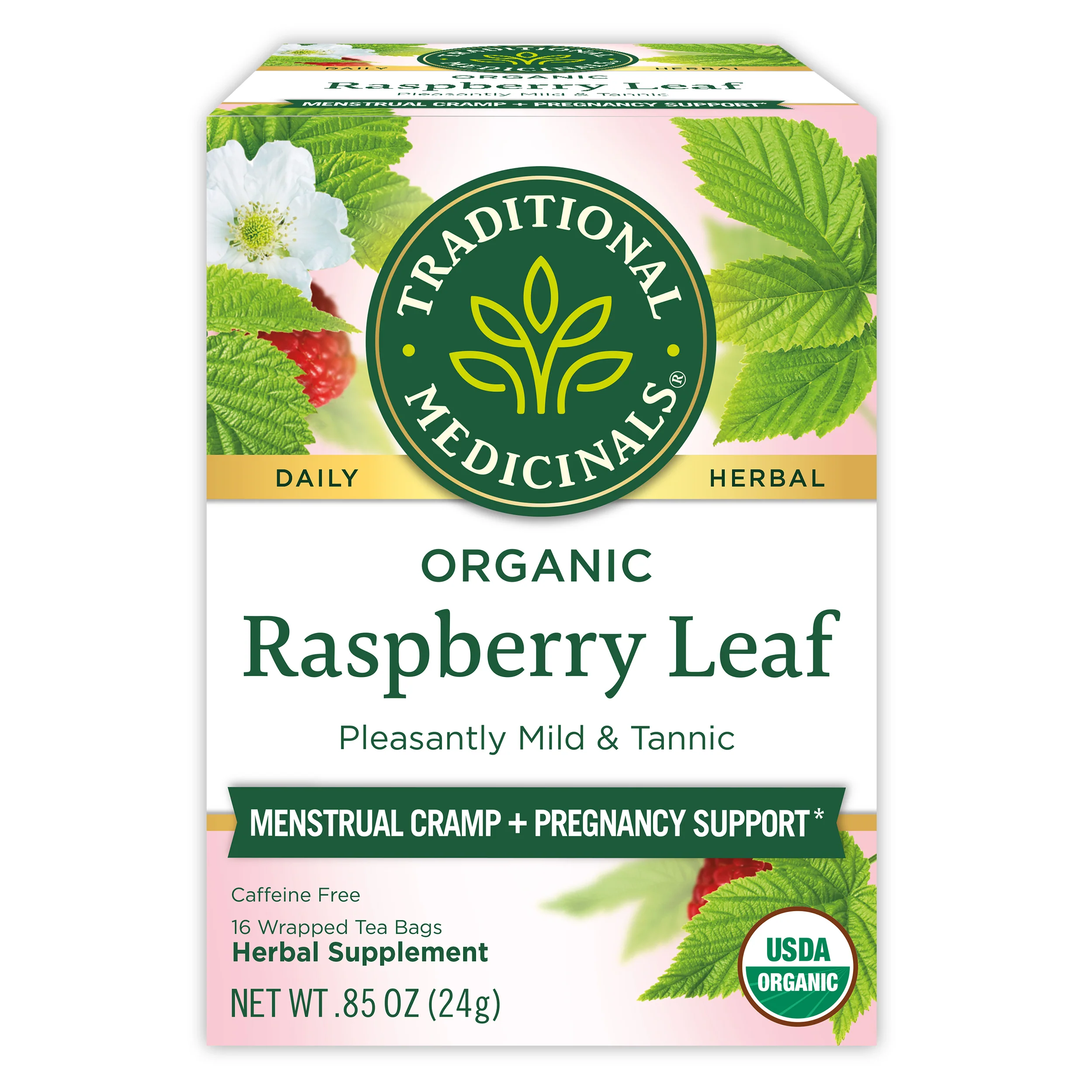
Raspberry leaf tea is an herbal beverage made from the dried leaves of the red raspberry plant, scientifically known as Rubus idaeus. Unlike raspberry fruit tea, which is made from the berries themselves, raspberry leaf tea is brewed from the plant’s leaves and has been used in traditional herbal medicine for centuries. It is particularly known for its potential benefits for women’s health, though many people drink it simply for its mild flavor and nutritional value.
What Is Raspberry Leaf Tea?
Raspberry leaf tea comes from the leaves of the red raspberry plant, a species native to Europe and parts of Asia but now grown widely around the world. When the leaves are harvested, dried, and brewed in hot water, they produce a tea with a slightly earthy and mildly fruity taste.
The tea is naturally caffeine-free, making it a popular alternative to black or green tea. Many people describe its flavor as similar to mild black tea but with subtle herbal notes. Because it contains no caffeine, it can be enjoyed at any time of day without affecting sleep.
Nutritional Content
Raspberry leaf tea contains a variety of vitamins, minerals, and plant compounds that contribute to its potential health benefits. These include:
Vitamin C
Vitamin E
Calcium
Iron
Magnesium
Potassium
Antioxidants such as tannins and flavonoids
These nutrients support overall wellness by helping the body maintain healthy immune function, strong bones, and balanced metabolism.
Potential Health Benefits
1. Support for Women’s Health
One of the most well-known uses of raspberry leaf tea is in supporting reproductive health. Herbalists have traditionally recommended it to help tone the uterus and support menstrual health. Because of this, it has been commonly consumed during pregnancy, especially in the later stages.
Some believe it may help strengthen uterine muscles, potentially making labor more efficient. However, scientific evidence is still limited, and pregnant individuals should consult a healthcare professional before using it.
2. Rich in Antioxidants
The tea contains antioxidants such as polyphenols and flavonoids. These compounds help protect the body’s cells from oxidative stress caused by free radicals. Reducing oxidative stress may support long-term health and help protect against chronic conditions.
3. Digestive Support
Raspberry leaf tea contains tannins that may help soothe mild digestive issues. Some people use it to reduce symptoms such as mild diarrhea or stomach discomfort. The tannins may help tighten intestinal tissues and support digestive balance.
4. Anti-Inflammatory Properties
Certain compounds in raspberry leaves may have anti-inflammatory effects. While research is ongoing, these properties may contribute to reduced inflammation in the body and support overall wellness.
How to Prepare it
Preparing it is simple and requires only a few ingredients:
Ingredients
1–2 teaspoons dried raspberry leaves
1 cup hot water
Instructions
Place the dried leaves in a tea infuser or teapot.
Pour hot water over the leaves.
Let the tea steep for about 5–10 minutes.
Strain and enjoy.
Some people like to add honey, lemon, or mint for extra flavor. The tea can also be enjoyed cold as a refreshing iced drink.
Possible Side Effects and Precautions
For most people, raspberry leaf tea is considered safe when consumed in moderate amounts. However, there are a few considerations:
Pregnant individuals should consult a healthcare provider before drinking it, especially during early pregnancy.
In large amounts, the tea may have a mild laxative effect.
People with hormone-sensitive conditions should seek medical advice before regular consumption.
As with any herbal product, moderation and professional guidance are recommended.
Conclusion
it is a traditional herbal drink valued for its gentle flavor and potential health benefits. Made from the leaves of the red raspberry plant, it offers vitamins, minerals, and antioxidants that may support digestion, reduce inflammation, and contribute to women’s health. While many people enjoy it as part of a healthy lifestyle, it is always wise to consult a healthcare professional before using herbal remedies regularly, particularly during pregnancy.
Frequently Asked Questions (FAQ)
1. Does raspberry leaf tea taste like raspberries?
Not really. it has a mild, earthy flavor that is closer to black tea than to raspberry fruit.
2. Is it safe during pregnancy?
Many people drink it during the later stages of pregnancy, but it is important to consult a healthcare professional before using it.
3. Does it contain caffeine?
No. Raspberry leaf tea is naturally caffeine-free.
4. How often can you drink raspberry leaf tea?
Most people drink 1–3 cups per day, but moderation is recommended.
5. Can raspberry leaf tea help with menstrual cramps?
Some people believe it may help reduce cramps by supporting uterine muscle tone, though scientific evidence is limited.