
skin care-201270809139

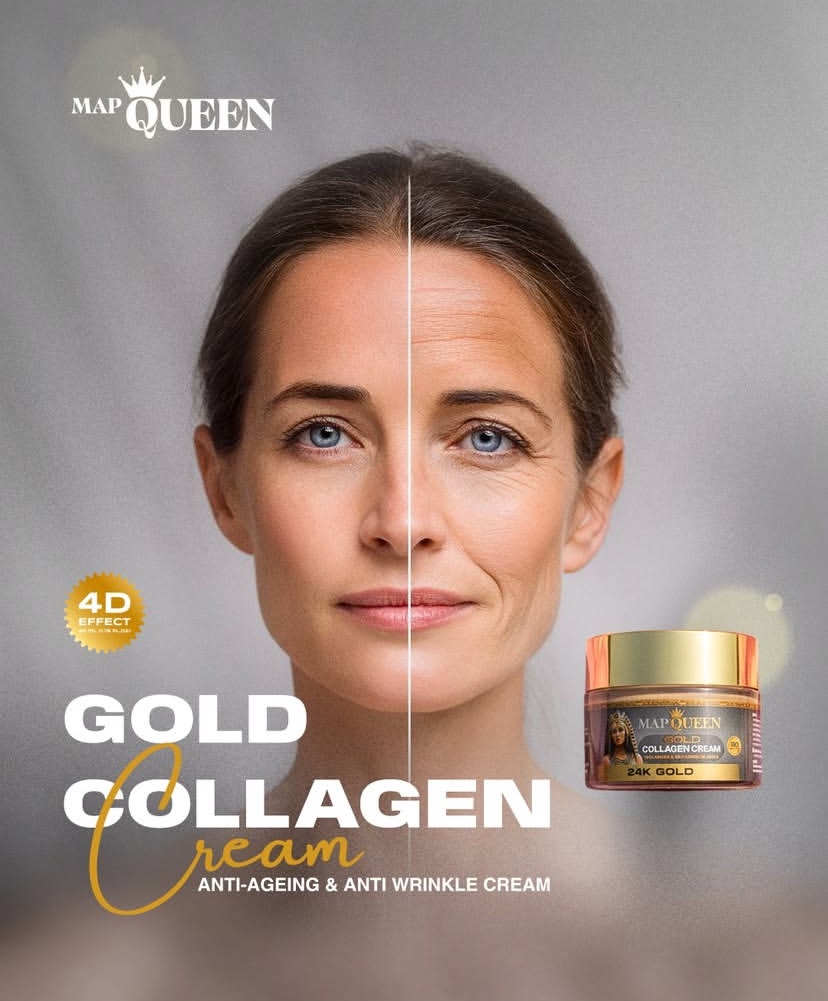
The Importance of Skin Care and How to Build a Healthy Routine

skin care-201270809139
Skin care is more than a beauty trend; it is an essential part of maintaining overall health and confidence. The skin is the body’s largest organ, acting as a protective barrier against environmental damage, bacteria, and harmful UV rays. When properly cared for, the skin not only looks better but also functions more effectively. Understanding skin care basics can help people of all ages achieve healthier, more resilient skin.
One of the most important aspects of skin care is knowing your skin type. Skin generally falls into five categories: normal, dry, oily, combination, and sensitive. Dry skin often feels tight and may flake, while oily skin produces excess sebum, leading to shine and breakouts. Combination skin has both dry and oily areas, usually with oil concentrated in the T-zone. Sensitive skin reacts easily to products or environmental factors. Identifying your skin type helps you choose products that support rather than irritate your skin.
Cleansing is the foundation of any effective skin care routine. Throughout the day, dirt, oil, sweat, and pollutants accumulate on the skin’s surface. Washing the face twice daily with a gentle cleanser removes these impurities and prevents clogged pores. Harsh soaps or excessive washing can strip the skin of its natural oils, leading to dryness and irritation. A mild cleanser that suits your skin type helps maintain balance and prepares the skin for the next steps.
Moisturizing is essential for all skin types, even oily skin. Moisturizers help lock in hydration, strengthen the skin barrier, and keep the skin soft and smooth. Dry skin benefits from rich, cream-based moisturizers, while oily skin does better with lightweight, gel-based formulas. Skipping moisturizer can cause the skin to produce more oil to compensate, which may worsen acne and shine.
Sun protection is one of the most critical yet often neglected aspects of skin care. Exposure to ultraviolet (UV) rays can cause premature aging, dark spots, sunburn, and increase the risk of skin cancer. Applying sunscreen with at least SPF 30 every day, even on cloudy days, protects the skin from long-term damage. Sunscreen should be reapplied every two hours when outdoors, especially after sweating or swimming.
Exfoliation plays a supportive role in skin care by removing dead skin cells that can make the skin look dull and rough. Gentle exfoliation once or twice a week can improve skin texture and promote cell turnover. However, over-exfoliating can damage the skin barrier and cause redness or sensitivity. Choosing mild exfoliants and using them sparingly is key.
Healthy skin is not achieved through products alone. Lifestyle choices significantly impact skin appearance and condition. Drinking enough water helps maintain hydration from within, while a balanced diet rich in fruits, vegetables, healthy fats, and vitamins supports skin repair and elasticity. Lack of sleep and high stress levels can trigger breakouts, dullness, and dark circles. Managing stress and getting adequate rest are essential for glowing skin.
Consistency is the most important factor in skin care success. Expensive products or complex routines are not necessary if they are not used regularly. A simple routine that includes cleansing, moisturizing, and sun protection can deliver impressive results over time. Listening to your skin and adjusting your routine as seasons, age, or skin conditions change will help maintain long-term skin health.
In conclusion, skin care is an investment in both health and self-care. By understanding your skin type, using appropriate products, protecting your skin from the sun, and maintaining healthy habits, you can achieve clear, strong, and radiant skin. With patience and consistency, good skin care becomes a rewarding and empowering daily practice.