
Natural Herbs for Skin Care: 10 Most Powerful Egyptian Botanical Actives 2026 | Organic Shop Egypt

organicshopegypt.com | Natural Herbs for Skin Care — Egypt | Worldwide DHL Delivery
Natural Herbs for Skin Care:
The Complete 2026 Guide — Egypt’s Most Powerful Botanical Skin Care Herbs & How to Use Them
Hibiscus | Black Seed | MoringaMoringa | Aloe Vera | Sidr | Saffron | Pomegranate | Organic Shop Egypt
Natural herbs for skin care are not a modern wellness trend — they are the foundation of the world’s oldest and most sophisticated beauty traditions. Long before the first synthetic skincare product was ever manufactured, ancient Egyptian women maintained legendary complexions using the remarkable botanical herbs growing along the Nile Valley, in the Eastern Desert, and along the Red Sea coast. Hibiscus flowers, black seed, moringa, aloe vera, sidr leaves, saffron, and pomegranate — these are not exotic marketing ingredients. They are proven, time-tested, scientifically validated herbs that have delivered genuine skin care results for thousands of years.
Modern dermatological research has now caught up with what ancient cultures knew empirically: the active compounds in these natural herbs — polyphenols, flavonoids, AHAs, vitamins, minerals, and bioactive fatty acids — interact with human skin biology in ways that produce measurable, clinically significant results. From Vitamin C-rich hibiscus that brightens and builds collagen, to thymoquinone-rich black seed that fights acne bacteria and reduces inflammation, to AHA-rich camel milk that gently exfoliates and renews — nature has provided an extraordinary pharmacy of skin care actives.
At Organic Shop Egypt in Hurghada, we source and sell the finest authentic Egyptian botanical skin care herbs and herb-based products available — shipped worldwide via DHL Express. This guide covers the 10 most powerful natural herbs for skin care, the science behind each one, exactly how to use them, and the products from our range that deliver these herbs in their most potent, accessible forms.
Why Natural Herbs for Skin Care Work — The Science
The efficacy of natural herbs in skin care comes down to the extraordinary diversity of bioactive compounds they contain — compounds that evolved over millions of years as the plants’ own protection against UV radiation, pathogens, oxidative stress, and environmental damage. When applied to human skin, many of these same compounds deliver precisely the protection our skin needs:
- Polyphenols and Flavonoids — powerful antioxidants that neutralise the free radicals generated by UV exposure and pollution, protecting collagen and preventing premature ageing
- Alpha-Hydroxy Acids (AHAs) — naturally occurring in many plants, these acids gently exfoliate dead skin cells, stimulate cell renewal, fade hyperpigmentation, and unclog pores
- Vitamins C, E, A, and K — occurring in high concentrations in many Egyptian herbs, these vitamins support collagen synthesis, cell renewal, barrier function, and antioxidant protection
- Antimicrobial compounds — thymol, carvacrol, eugenol, and other plant antimicrobials fight the bacteria responsible for acne, eczema flare-ups, and skin infections
- Anti-inflammatory compounds — salicylates, quercetin, kaempferol, and many other plant-derived compounds reduce skin inflammation through the same enzyme pathways as pharmaceutical anti-inflammatory drugs, but without systemic side effects
- Humectants and mucilages — plant polysaccharides and natural humectants attract water to the skin surface and maintain hydration throughout the day
— 10 Best Natural Herbs for Skin Care from Egypt —
1. Hibiscus (Hibiscus sabdariffa) — The Vitamin C Powerhouse
Hibiscus — known as Karkade in Egypt — is one of the most Vitamin C-rich botanicals in the world and has been used as a skin care herb in Egypt for over 4,000 years. Its extraordinary combination of Vitamin C, anthocyanins, and gentle AHAs makes it one of the most effective multi-purpose herbs for skin brightening, collagen support, and anti-ageing.
- Vitamin C content — hibiscus contains some of the highest Vitamin C concentrations of any herb, supporting collagen synthesis, brightening hyperpigmentation, and providing powerful antioxidant protection
- Anthocyanins — the pigments that give hibiscus its deep red colour are among the most potent antioxidants known, protecting skin cells from UV-induced free radical damage
- Natural AHAs — gentle citric and malic acids provide mild exfoliation, stimulate cell renewal, and progressively even skin tone
- Anti-ageing — multiple studies show hibiscus extract inhibits elastase, the enzyme that breaks down elastin — the structural protein responsible for skin’s snap-back elasticity
How to use: Brew strong Egyptian hibiscus tea, allow to cool, apply to face with a cotton pad as a natural brightening and antioxidant toner. Leave on — do not rinse. Use morning and evening
Egyptian Hibiscus Tea Karkade — Natural Brightening Toner — from EUR 6.00
2. Black Seed (Nigella sativa) — The Herb of 1,000 Uses
Black seed — found in Tutankhamun’s tomb and described by the Prophet Muhammad as a cure for everything except death — is the most comprehensively researched natural herb for skin care in the world, with over 650 peer-reviewed studies examining its biological activity. Its primary active compound thymoquinone is simultaneously antibacterial, anti-inflammatory, antioxidant, and anti-fungal.
- Anti-acne — thymoquinone kills Propionibacterium acnes bacteria and reduces the inflammatory response that causes red, painful breakouts
- Eczema and psoriasis — multiple clinical studies confirm black seed oil’s effectiveness in reducing the severity of eczema and psoriasis symptoms through its COX-inhibiting anti-inflammatory action
- Anti-ageing — Vitamin E and polyphenols protect against oxidative damage and support skin cell renewal
- Hyperpigmentation — linoleic acid in black seed oil has documented inhibitory effects on melanin production, helping to fade dark spots and even skin tone
How to use: Dilute 2-3 drops of black seed oil in 10ml Jojoba Oil. Apply to clean, damp skin as a targeted treatment for acne, eczema, or dark spots. Morning and evening
Egyptian Black Seed Oil 5-Star Cold-Pressed — from EUR 15.00
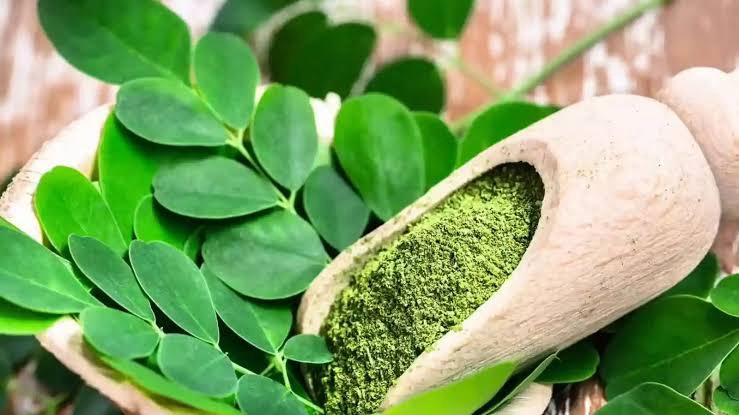
3. Moringa (Moringa oleifera) — The Tree of Life
Moringa is called the Tree of Life across Africa and South Asia — and for good reason. Its leaves contain over 90 documented nutrients including 46 antioxidants, 36 anti-inflammatory compounds, and concentrations of Vitamin C seven times higher than oranges, Vitamin A four times higher than carrots, and calcium four times higher than milk. For skin care, moringa’s remarkable antioxidant and anti-inflammatory profile makes it one of the most comprehensive protective herbs available.
- Zeatin — moringa contains zeatin, a powerful plant growth hormone that stimulates skin cell regeneration and has documented anti-ageing properties
- Behenic acid — moringa seed oil is one of the richest plant sources of behenic acid, which has exceptional skin conditioning and anti-ageing properties
- Sulphur content — moringa contains natural sulphur compounds that support keratin and collagen production
- Antioxidant density — moringa’s extraordinary antioxidant content provides comprehensive daily protection against oxidative skin ageing
How to use: Take moringa greens blend as a daily supplement for internal skin nutrition. The skin benefits of moringa are most potent when used internally and topically together
Moringa Greens Blend 125g — Internal Skin Nutrition — EUR 10.00
4. Aloe Vera — The Universal Skin Healer
Aloe vera has been used in Egyptian skin care for over 3,500 years — records show it was used by the women of the pharaonic court for moisturising, wound healing, and sun protection. Modern science has identified over 75 active compounds in aloe vera including vitamins, minerals, sugars, enzymes, lignins, saponins, salicylic acids, and amino acids that collectively make it one of the most multi-functional herbs for skin care.
- Acemannan polysaccharides — aloe vera’s unique mucopolysaccharides penetrate the dermis and attract water molecules, providing deep, lasting hydration from within the skin structure
- Anti-inflammatory — aloe contains salicylate, bradykininase, and indole compounds that reduce skin inflammation — making it particularly valuable for sunburn, redness, and irritated skin
- Wound healing — multiple clinical studies confirm aloe vera accelerates wound healing, reducing healing time by approximately 9 days compared to conventional dressings
- Anti-ageing — aloe vera stimulates fibroblast activity and collagen and hyaluronic acid production in the dermis
How to use: Apply Aloe Vera Oil to clean, damp skin as the first layer of your moisturising routine — before your face cream. The oil format delivers aloe’s active compounds plus the barrier-repairing fatty acids of the carrier oil
Sabar Aloe Vera Oil 5-Star Rated — from EUR 10.00
Pure Aloe Vera Oil El Masrayia Premium Grade — from EUR 30.00
5. Sidr (Ziziphus jujuba) — The Sacred Cleansing Herb
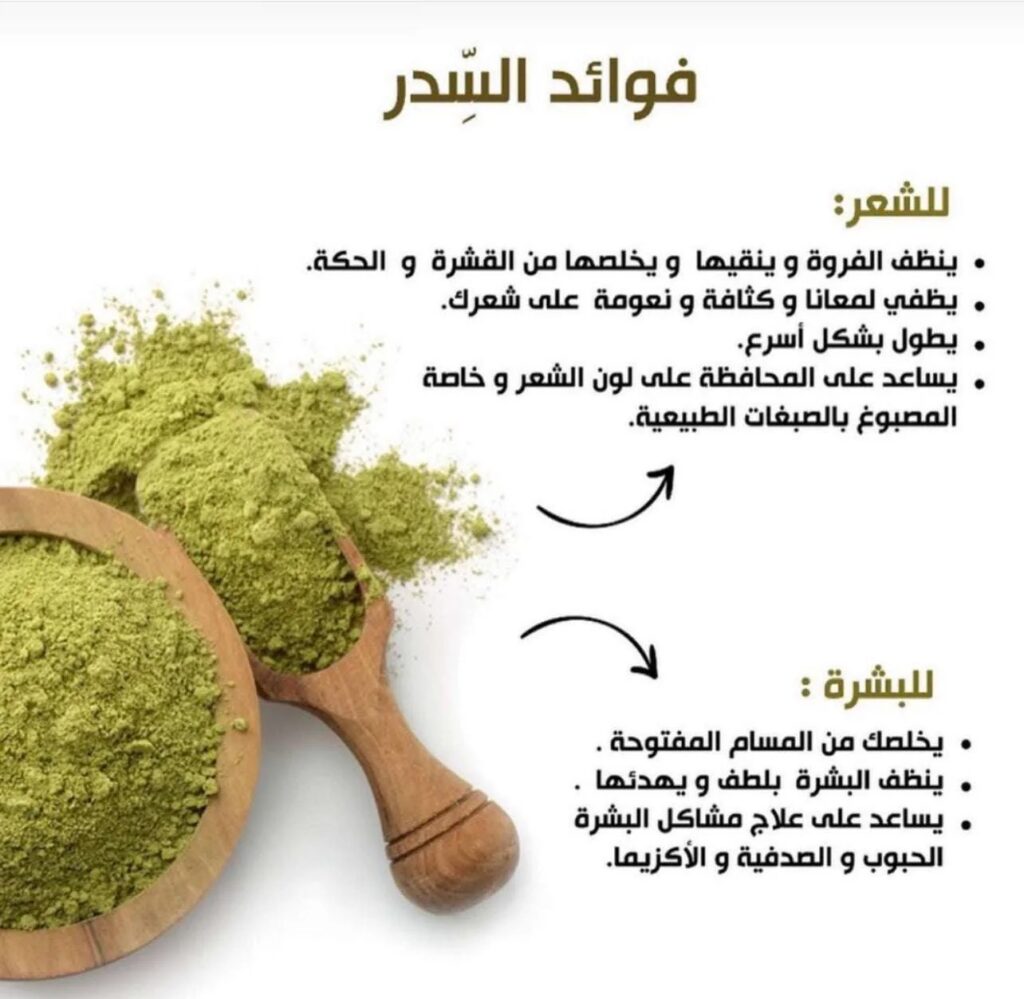
Sidr — the sacred lotus jujube tree mentioned four times in the Quran — produces leaves with a unique combination of natural saponins, flavonoids, tannins, and mucilages that make it simultaneously a gentle cleanser, a skin conditioner, a pore minimiser, and a mild anti-inflammatory. Used in the Middle East and North Africa as a skin and hair treatment for over a millennium, Sidr powder is one of the most versatile natural herbs for skin care available.
- Natural saponins — create a gentle, conditioning lather that cleanses without stripping the skin’s natural lipid barrier, unlike synthetic surfactants
- Tannins — astringent compounds that tighten pores, reduce oiliness, and calm skin inflammation
- Mucilages — plant polysaccharides that coat the skin surface with a smoothing, hydrating film
- Flavonoids — antioxidants that protect skin cells from free radical damage
How to use: Mix 1-2 teaspoons Sidr powder with rose water to a smooth paste. Apply to clean skin, leave 10-15 minutes, rinse with warm water. Use 2-3 times weekly as a gentle cleansing face mask
Organic Sidr Leaves Powder — Natural Face Cleanser — from EUR 12.00
6. Saffron (Crocus sativus) — The Golden Brightener
Saffron — the world’s most expensive spice — has been used in skin care preparations across the Middle East, Persia, and Egypt for over 3,000 years, specifically for its legendary skin-brightening and complexion-enhancing properties. Modern research has identified the compounds responsible: crocin and crocetin (the carotenoids that give saffron its golden colour), safranal (the aromatic compound), and kaempferol (a flavonoid with potent antioxidant properties).
- Crocin — a powerful antioxidant carotenoid that neutralises free radicals and has documented skin-brightening properties through mild tyrosinase inhibition
- Safranal — documented anti-inflammatory and UV-protective properties
- Kaempferol — one of the most potent natural anti-inflammatory flavonoids, with documented benefits for reducing redness and skin irritation
- Skin tone evenness — multiple studies show saffron extract significantly reduces pigmentation and improves overall skin luminosity with consistent topical use
How to use for skin: Steep 3-4 saffron threads in 2 tablespoons of warm milk or rose water for 30 minutes. Apply the liquid to face with a cotton pad, leave 20 minutes, rinse. Use 3x weekly for progressive brightening
Premium Iranian Saffron 3g & 10g — from EUR 10.00
7. Pomegranate (Punica granatum) — The Anti-Ageing Fruit
Pomegranate has been grown in Egypt for over 4,000 years and was found in the tombs of the pharaohs — a testament to how highly valued it was in ancient Egyptian beauty culture. Modern research confirms what ancient Egyptians knew empirically: pomegranate contains some of the most powerful anti-ageing compounds available from any plant source.
- Punicic Acid (Omega-5) — found almost exclusively in pomegranate seed oil, this unique fatty acid directly stimulates collagen production by activating fibroblast cells in the dermis
- Punicalagin — the most abundant antioxidant in pomegranate, with an antioxidant capacity three times higher than red wine or green tea
- Ellagic acid — inhibits the enzymes that break down collagen and elastin, directly protecting skin structure against ageing
- Oestrogenic plant compounds — pomegranate contains phytoestrogens that support skin thickness and collagen density, particularly valuable for menopausal skin changes
How to use: Apply 2-3 drops of Pomegranate Seed Oil to clean, slightly damp skin as a targeted anti-ageing serum. Best used in the evening as the final oil layer before bed
Pomegranate Seed Oil 100% Pure — Anti-Ageing — from EUR 18.00
8. Camel Milk — Egypt’s Ancient Skin Renewal Secret
Technically not an herb but a uniquely Egyptian botanical-adjacent ingredient — camel milk from Egyptian desert camels has been used in skin care since at least the time of Cleopatra. Modern science has confirmed that camel milk contains a combination of AHAs, immunoglobulins, lactoferrin, vitamins, and minerals found in no other natural source, making it uniquely effective as a multi-mechanism skin care ingredient.
- Alpha-Hydroxy Acids — camel milk’s natural lactic acid provides gentle daily exfoliation, stimulates cell renewal, and progressively brightens uneven skin tone
- Lactoferrin — a powerful antimicrobial and anti-inflammatory protein that makes camel milk skincare particularly beneficial for acne-prone and sensitive skin
- Immunoglobulins — protective proteins that calm reactive skin conditions including eczema, psoriasis, and general skin sensitivity
- Vitamin complex — A, B, C, D, E in one naturally occurring matrix that supports every aspect of skin health simultaneously
How to use: Apply camel milk cream as your daily moisturiser morning and evening. For maximum effect, cleanse with camel milk soap first — the AHAs in the soap prepare the skin surface for optimal cream absorption
Camel Milk Cream Egypt 250ml — Shea & Wheat Germ — EUR 20.00
Camel Milk Soap with Natural Oils 110g — EUR 4.00
9. Argan (Argania spinosa) — Liquid Gold for Skin
Argan oil — cold-pressed from the kernels of the Moroccan argan tree — has been used for skin care across North Africa for centuries. Its exceptional combination of oleic acid, linoleic acid, Vitamin E, and rare plant sterols (schottenol, spinasterol) makes it uniquely effective for skin hydration, barrier repair, and anti-ageing.
- Tocopherols (Vitamin E) — argan oil contains extraordinarily high Vitamin E levels providing powerful antioxidant protection against UV-induced skin ageing
- Linoleic acid — repairs the skin’s lipid barrier and reduces trans-epidermal water loss, keeping skin hydrated from within
- Plant sterols — schottenol and spinasterol improve skin elasticity, reduce inflammation, and have documented anti-ageing properties unique to argan oil
- Squalene — a natural compound that mimics the skin’s own sebum, improving moisture retention without blocking pores
How to use: 3-4 drops of pure Argan Oil applied to damp face after cleansing as a lightweight daily moisturiser and anti-ageing treatment. Also outstanding as a hair finishing oil — 1-2 drops on dry hair ends
Argan Oil 100% Pure Organic Cold-Pressed — from EUR 20.00
❄️ 10. Eucalyptus — The Antiseptic Clarifying Herb
Eucalyptus is one of the most versatile antiseptic herbs in skin care — its leaves and oil contain 1,8-cineole (eucalyptol), one of the most potent natural antimicrobial and anti-inflammatory compounds known. Used topically, eucalyptus oil clarifies congested skin, fights acne bacteria, reduces redness, and provides a deeply refreshing cooling sensation.
- 1,8-Cineole (Eucalyptol) — documented broad-spectrum antimicrobial activity, kills acne-causing bacteria and fungi on the skin surface
- Anti-inflammatory — inhibits the production of pro-inflammatory prostaglandins through the same pathway as NSAIDs
- Wound healing — eucalyptus extract accelerates wound and blemish healing through its stimulation of keratinocyte migration
- Astringent — tightens pores and reduces excess sebum when used as part of a daily cleansing routine
How to use: Add 2-3 drops eucalyptus crystals dissolved in warm water as a steam facial 1x weekly. Or use Menthol Crystals (related active) as a DIY cooling face rinse for oily and acne-prone skin
❄️ Pure Menthol Crystals — Clarifying Skin Treatment — EUR 5.00
❄️ Eucalyptus Crystals — Pure Natural — from EUR 15.00
Build a Complete Herbal Skin Care Routine — Morning & Evening
Here is how to build a complete natural herbal skin care routine using Egyptian botanical herbs and products:
Morning Routine:
- Cleanse — Camel Milk Soap (delivers AHAs and antimicrobial herbs while cleansing)
- Tone — cooled Hibiscus Tea applied with cotton pad (Vitamin C + anthocyanin antioxidant toner)
- Serum — Sabar Aloe Vera Oil pressed into damp skin (hydration + anti-inflammatory)
- Moisturise — Camel Milk Cream or Egyptian Magic Cream (seal all previous herbal layers)
- SPF — always apply broad-spectrum SPF 30+ last
Evening Routine:
- Cleanse — Camel Milk Soap
- Treatment — 2-3 drops Pomegranate Seed Oil OR Black Seed Oil diluted in Jojoba Oil
- Moisturise — Camel Milk Cream or Orgakera Collagen Cream
- Weekly mask — Sidr Powder paste OR Blue Nila Mask (2-3x weekly)
Key principle: Natural herbs work cumulatively — consistency over 4-8 weeks delivers dramatic results. More important than which herbs you choose is using them every day without skipping
Layering: Apply lightest herbal preparations first (toners, lightweight oils) before richer creams and butters — the lighter layers penetrate first and are sealed in by the heavier ones
Why Egyptian Herbs Are the Most Potent in the World
The herbs used in Egyptian skin care are particularly potent because of the environment in which they grow:
✅ Egypt’s intense UV radiation causes plants to produce significantly higher concentrations of antioxidant and protective compounds as natural UV defence
✅ Nile Valley soil — one of the world’s most fertile soils with exceptional mineral density — produces herbs with higher active compound concentrations than those grown in leached European soils
✅ Ancient cultivar varieties — Egyptian hibiscus, black seed, and moringa have been selected and cultivated over thousands of years for maximum potency
✅ Organic Shop Egypt sources directly from Egyptian farmers — no long supply chains that degrade fragile herbal actives
— Frequently Asked Questions —
❓ Which natural herb is best for acne-prone skin?
For acne-prone skin, three Egyptian herbs work best in combination. Black Seed Oil is the most effective single herb — its thymoquinone kills acne bacteria, reduces inflammation, and helps regulate sebum production. Apply diluted in Jojoba Oil (2-3 drops in 10ml) as a targeted treatment. Hibiscus Tea used as a toner delivers Vitamin C, anthocyanins, and gentle AHAs that unclog pores and reduce post-acne hyperpigmentation. Sidr Powder used as a weekly face mask (2-3 times per week) provides natural saponin cleansing that removes dead skin cell buildup — one of the primary causes of clogged pores. Together, this three-herb protocol addresses acne from every angle: killing bacteria (black seed), unclogging pores (sidr + hibiscus AHAs), reducing inflammation (black seed + hibiscus anthocyanins), and fading post-acne marks (hibiscus Vitamin C).
❓ Can natural herbs replace my regular skincare products?
Natural herbs can absolutely replace conventional skincare products — and for many people, a simplified herbal routine outperforms a complex synthetic one. The key is building a complete routine that covers all the functions your skin needs: cleansing (Camel Milk Soap or Sidr Powder), toning (Hibiscus Tea), serum treatment (Aloe Vera Oil, Black Seed Oil, or Pomegranate Seed Oil), and moisturising (Camel Milk Cream or Egyptian Magic Cream). Where natural herbs are particularly superior to conventional products is in their multi-functionality: each herb delivers multiple benefits simultaneously, whereas conventional products often target a single concern. Black seed oil is simultaneously antimicrobial, anti-inflammatory, and antioxidant. Camel milk cream simultaneously exfoliates, hydrates, nourishes, and calms. This multi-mechanism approach is more aligned with how skin actually functions than single-target synthetic ingredients.
❓ How long do natural herbs take to improve skin?
Natural herbs for skin care work on a cumulative timeline that differs from the immediate masking effect of many synthetic products. Immediate (1-7 days): skin feels softer, more hydrated, and more comfortable. The anti-inflammatory herbs (black seed, aloe vera) reduce existing redness and irritation quickly. Short-term (2-4 weeks): visible improvement in skin texture, fewer breakouts, beginning of brightening effect from AHA-containing herbs (hibiscus, camel milk). Medium-term (4-8 weeks): significant improvement in skin tone evenness, dark spots visibly fading, skin barrier measurably stronger and more resilient. Long-term (3-6 months): anti-ageing benefits from collagen-supporting herbs (pomegranate, saffron) become visible as fine lines reduce and skin elasticity improves. The most important factor in seeing results from natural herbs is daily consistency — used every day for months, not occasionally.
❓ Can I use natural herbs for sensitive skin?
Yes — many natural herbs are specifically beneficial for sensitive skin precisely because of their gentleness and their anti-inflammatory properties. The best herbs for sensitive skin are: Aloe Vera (exceptional calming and anti-inflammatory properties), Camel Milk (immunoglobulins calm reactive skin, gentle AHAs do not irritate), Sidr Powder (gentle natural saponin cleansing, no harsh detergents), and Hibiscus Tea as a toner (antioxidant protection without irritating acids at the concentrations in brewed tea). Herbs to introduce more carefully for sensitive skin: Black Seed Oil and Pomegranate Seed Oil should both be patch tested and used diluted. Essential oil-based herbs (eucalyptus, peppermint) should always be used in low concentrations. The general principle: herbs that are 100% botanical and single-ingredient are significantly less likely to cause reactions than formulated products with multiple synthetic additives and preservatives.
Related Guides
➜ Best natural oils for hair and skin: Best Natural Oils for Hair and Skin: The Complete 2026 Guide
➜ Natural skincare Egypt 2026: Natural Skincare Egypt: The Ultimate 2026 Guide
➜ History of cosmetics: History of Cosmetics: From Ancient Egypt to Today — 10,000 Years
➜ How to use Sidr powder: How to Use Sidr Powder: 7 Natural Recipes for Hair and Skin
➜ Korean skin care guide: Korean Skin Care: Complete Guide + Egyptian Natural Alternatives
➜ Buy essential oils Egypt: Buy Essential Oils Egypt: 15 Pure Natural Oils Guide
Shop Natural Herbs for Skin Care — Direct from Egypt
Every herb and herb-based product in this guide is available now at Organic Shop Egypt — authentic Egyptian botanicals sourced directly from Egyptian producers, shipped worldwide from Hurghada via DHL Express in 4-8 business days.
Shop all herbal skin care: www.organicshopegypt.com/shop
WhatsApp: +20 127 080 9139 — Tell us your skin concern and we will recommend the right herbs!
Natural Herbs for Skin Care — Egypt’s 10 Most Powerful Botanical Actives
Authentic Egyptian botanical skin care from Organic Shop Egypt — shipped worldwide from Hurghada.
Visit: www.organicshopegypt.com
DHL Express Worldwide | PayPal, Visa & Mastercard | 20+ Years Experience
Follow us: @organicshopegypt
© 2026 Organic Shop Egypt | Hurghada, Egypt | All Rights Reserved ��